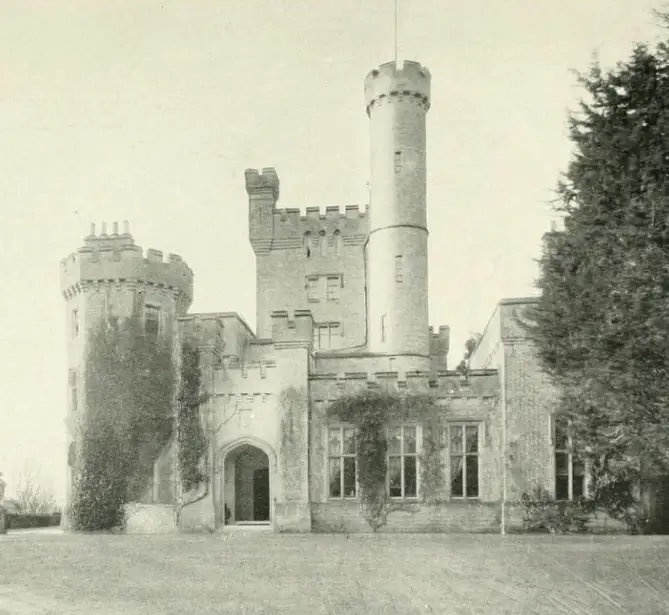
Commissioned between 1833 and 1835 by John Hambrough, Steephill Castle stood as one of the most striking architectural landmarks in Ventnor on the Isle of Wight. Designed by local architect James Sanderson in the Gothic Revival style, the grand mock castle was built to reflect the romantic sensibilities of Victorian high society and is reputed to have cost £250,000 (around £24 million today). Featuring a prominent square keep, battlements, and expansive manicured grounds overlooking the Undercliff, the estate quickly became a fashionable retreat for the European elite. However, as the 19th century ended, the estate's value plummeted; in 1902, Steephill Castle was sold for a mere £14,000 (around £1.5 million today) to John Morgan Richards, an American entrepreneur who had gained notoriety across Britain for promoting cigarettes using clever advertising and incentivising chemists.
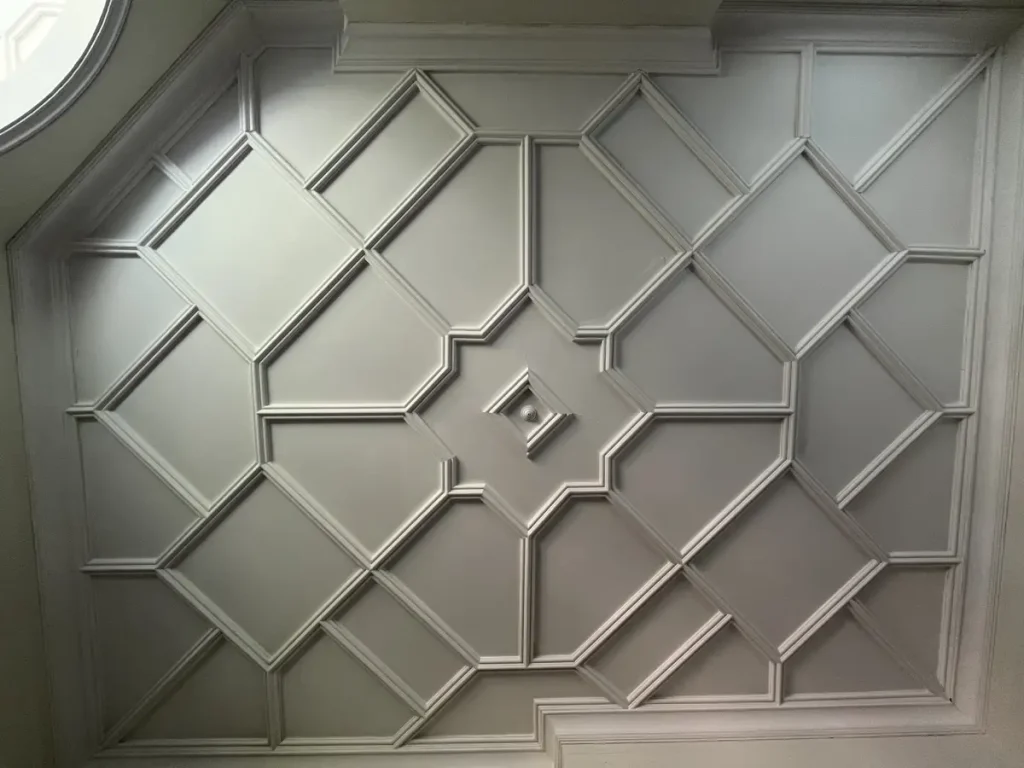
Despite the original staggering cost of the build, the castle was eventually undermined by changing socioeconomic conditions and the prohibitive cost of maintenance. By the mid-20th century, the private estate faced severe financial strain, and without a viable public or institutional buyer to subsidise its upkeep, the castle fell into neglect. When demolition began in 1963, workers uncovered a fascinating architectural revelation: much of the grand interior was a sophisticated visual illusion. What appeared to be heavy, hand-carved oak panelling and elaborate stonework turned out to be painted softwood and decorative plasterwork, demonstrating how theatrical craftsmanship was used to project grand wealth at a fraction of the structural cost.
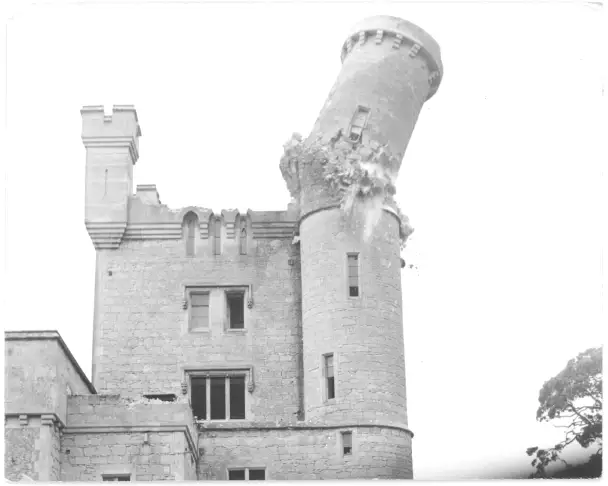
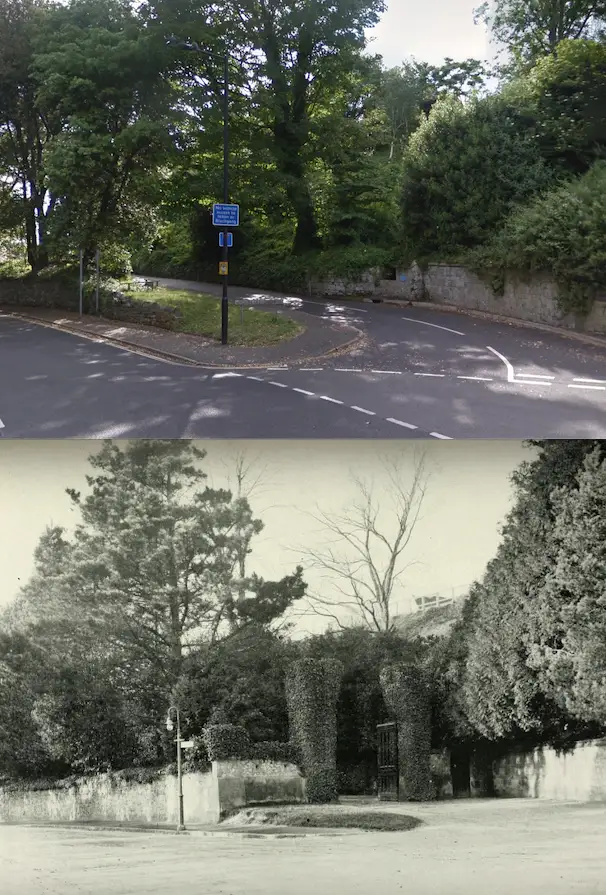
The eventual teardown of Steephill Castle in 1963 serves as a compelling case study in the lifecycle of 19th-century luxury estates and local resource reuse. Following its clearance, salvaged stone from the structure was repurposed across the region, including essential repair work on Ventnor’s St Catherine’s Church. Today, the estate has been fully integrated into the local urban landscape; modern residential housing occupies the central grounds around Castle Close, while subterranean cellars, overgrown boundary walls, and terrace pathways remain hidden near Ventnor Botanic Garden. Ultimately, Steephill Castle illustrates the delicate balance between architectural ambition, economic construction and urban redevelopment in coastal heritage preservation—proving that parts of the building fabric and its history were certainly just smoke and mirrors.
0 Comments